The Bedroom Edit: What I Actually Look at When I Walk Into a Room
A guide to styling your bedroom like an interior architect.
HOW TO STYLE YOUR BEDROOM IN THIS GUIDE:Start with what you'd remove
The bed is architecture, not decoration
Height and light — the two things most people get wrong
What belongs on a bedside table (and what doesn't)
The floor — the most underused surface in the room
How to layer texture without it feeling chaotic
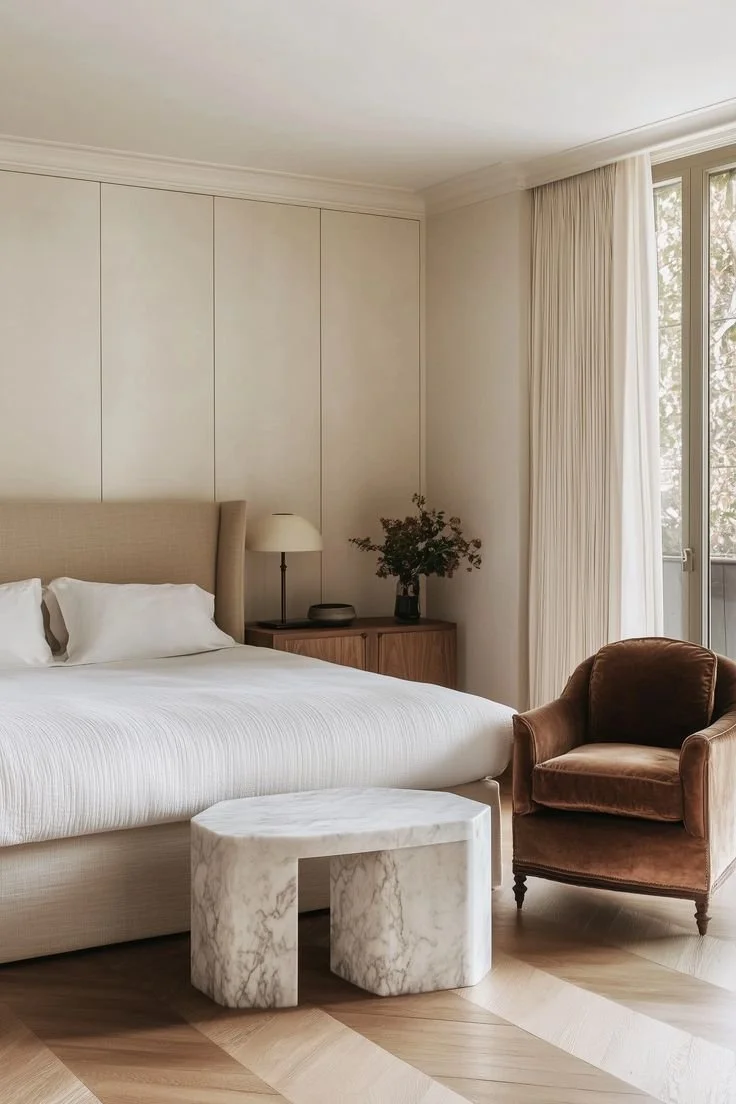
There's something I do within about thirty seconds of walking into a bedroom. Before I notice the curtains or the furniture or what's on the walls, I notice the weight of the room. Whether it holds you or lets you go. Whether it feels finished or like someone ran out of decisions halfway through.
Most bedrooms I see aren't badly furnished. They're just badly edited. There's too much of the right things, or the right things are in slightly the wrong places. Small shifts — none of which require spending anything — change the feeling of a room more profoundly than a new sofa or a fresh coat of paint.
This is what I look at. And what I'd suggest you look at too.
The 30-seconds Bedroom check
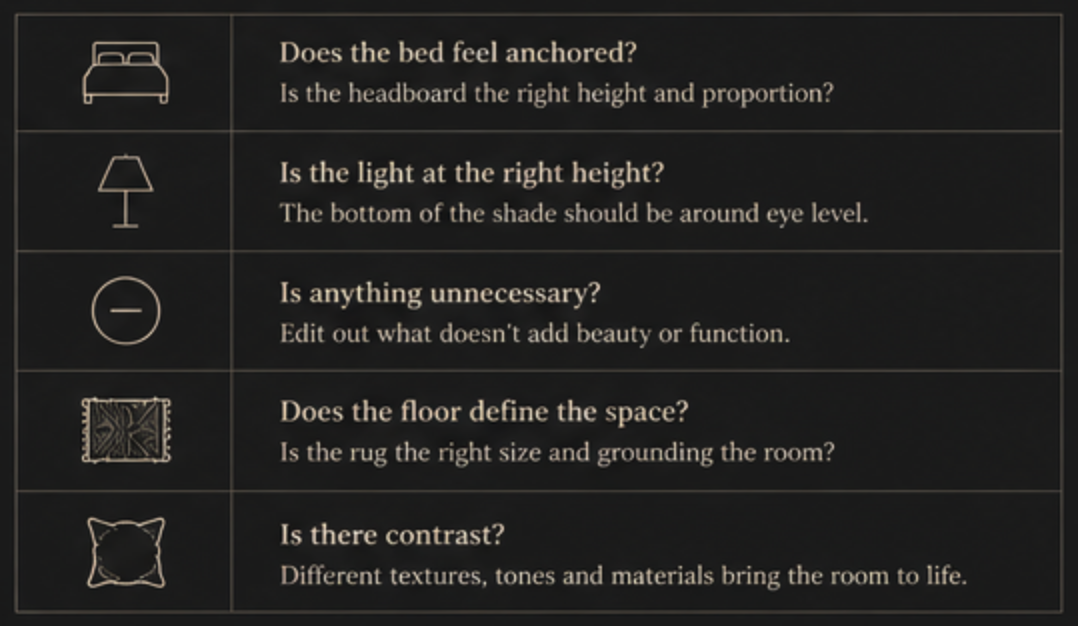
1. Start with what you'd remove
Before adding anything — a new lamp, a throw, another cushion — take things out. This is the single most useful thing I do when I walk into a room that isn't working, and it's almost always the last thing a homeowner thinks to try.
Walk around your bedroom and pull out anything that doesn't need to be there. The chair with clothes on it that isn't really a chair anymore. The third bedside lamp that made sense when you bought it. The stack of books that's become infrastructure. The candle you've never lit. Remove them. Put them in another room. Live with the room for a few days.
What tends to happen is that you realise the room was fine. It was just carrying too much.
Restraint is a design decision. Negative space — the empty surfaces, the breathing room between objects — isn't laziness. It's the thing that makes a room feel considered rather than accumulated.
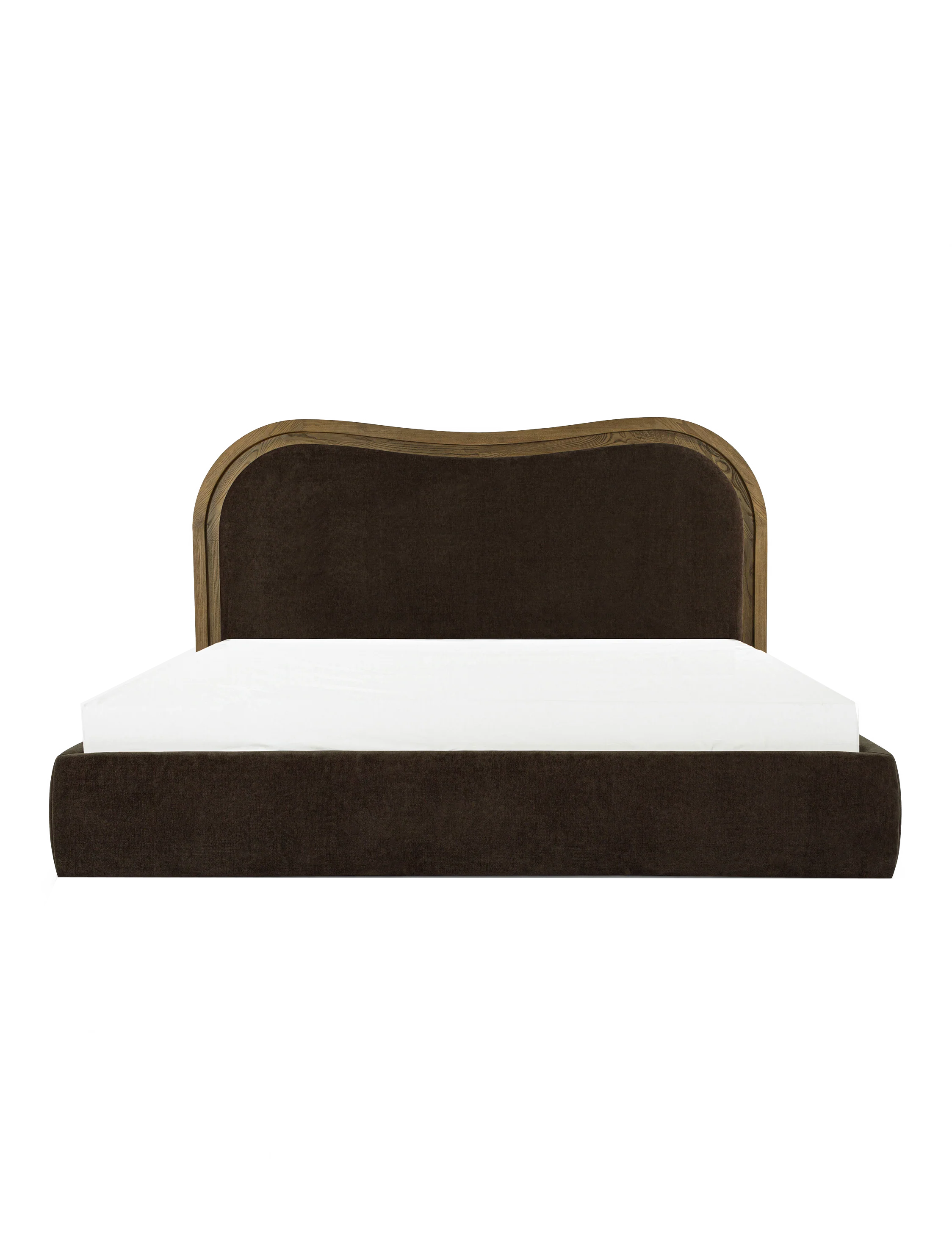
Greenbury Platform Bed
Lulu and Georgia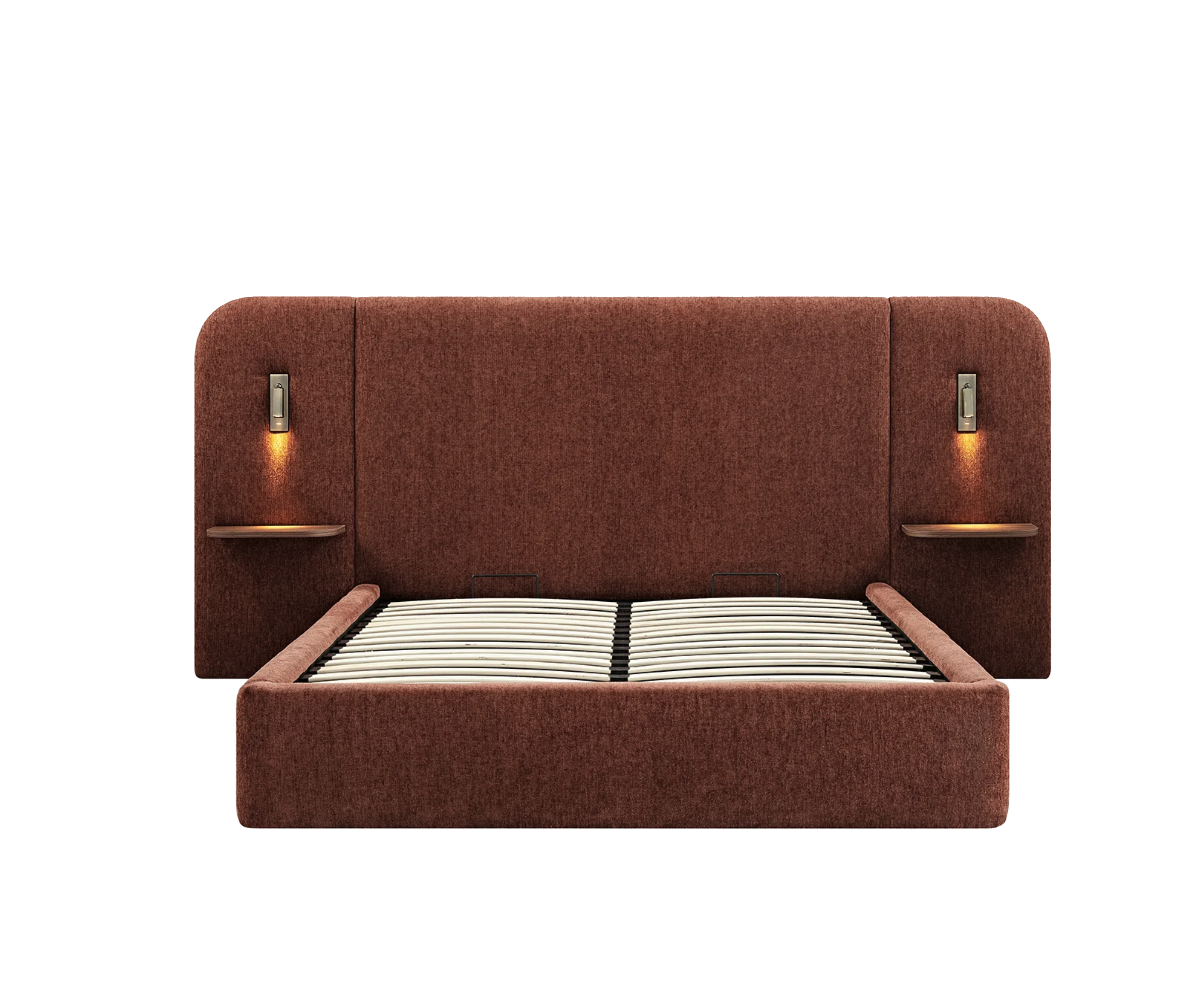
Della Storage Bed
DaalsBeds that make a room feel finished
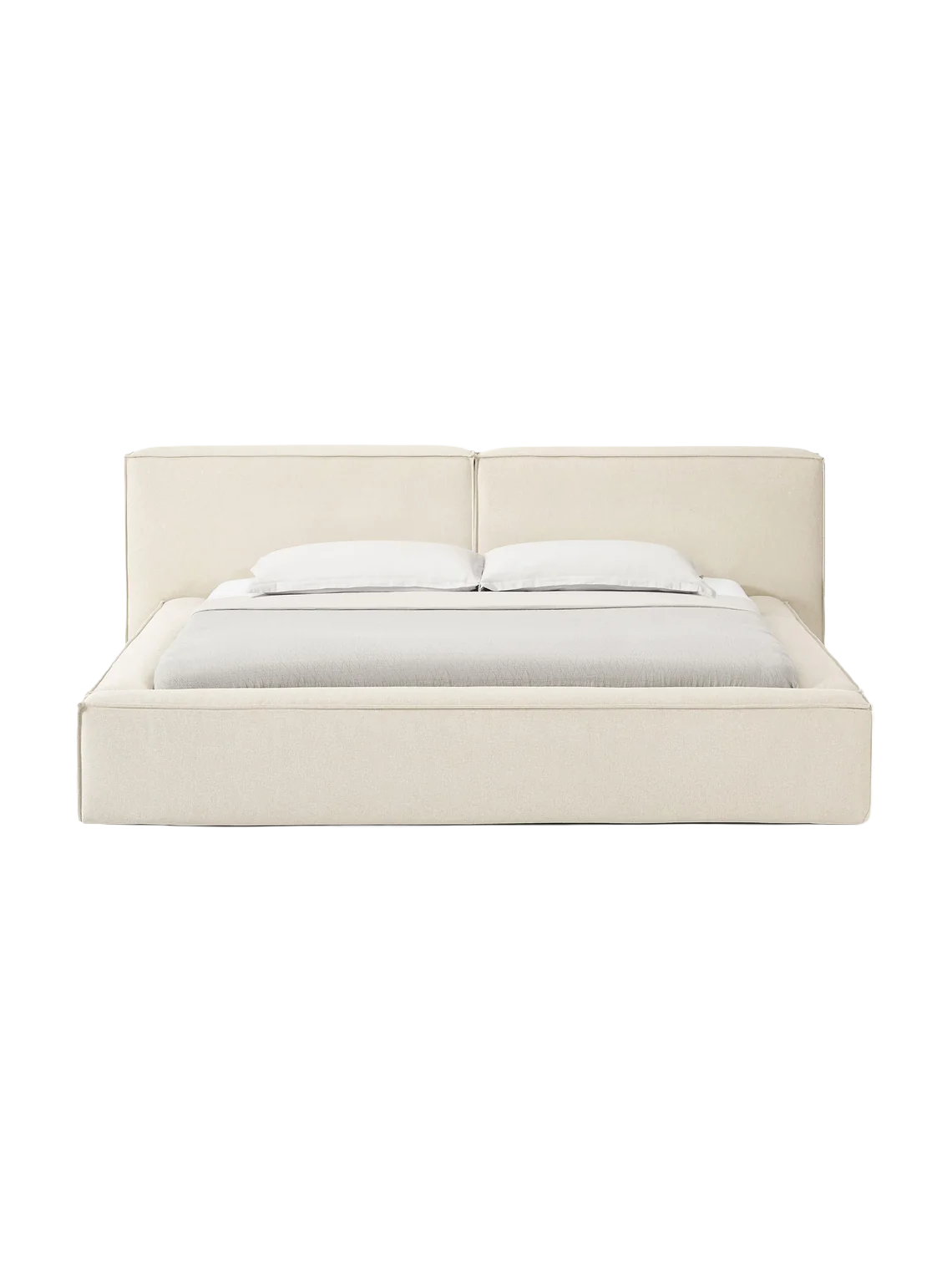
Upholstered Bed Lennon
Westwing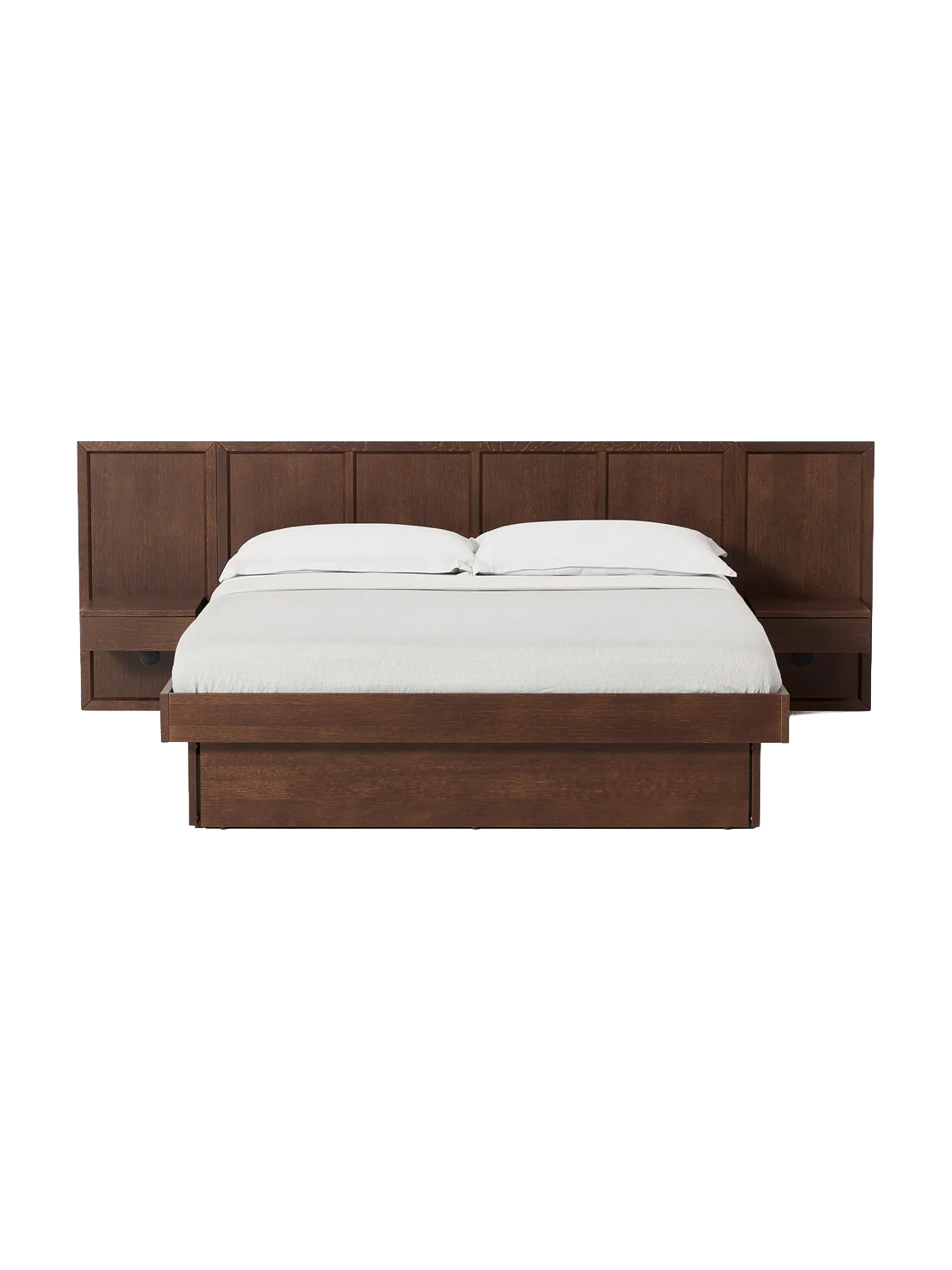
Wooden Bed Nanto with Drawers
Westwing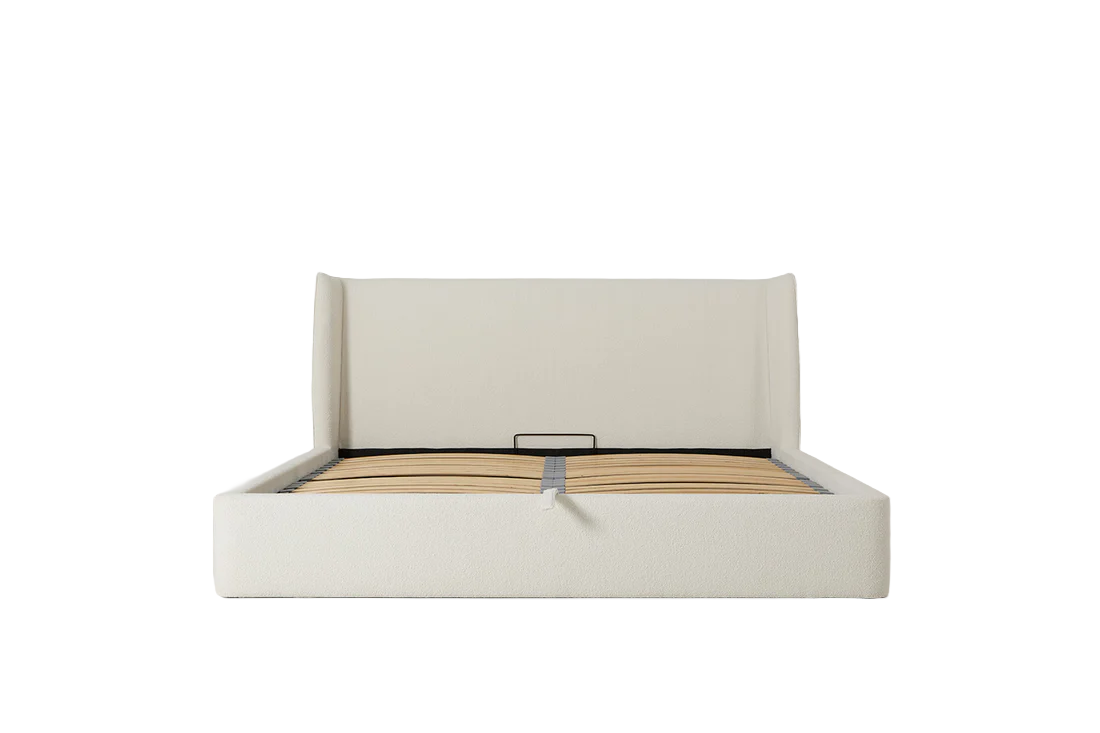
Bed 03 Storage
Swyft2. The bed is architecture, not decoration
The bed is the load-bearing wall of a bedroom. Everything else responds to it. Which means before you worry about anything else — curtains, art, plants — you need to look hard at the bed itself.
Two things matter most: proportion and height.
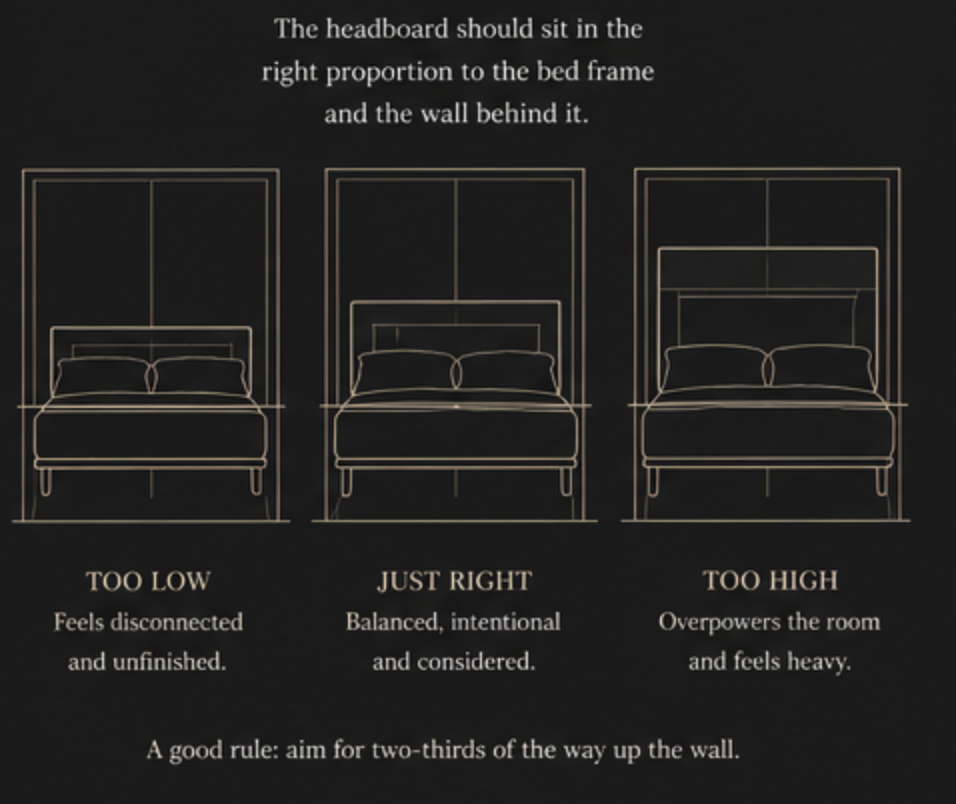
Is the headboard in the right proportion to the bed frame and the wall behind it? A headboard that's too low makes the whole room feel squashed. One that's too high in a low-ceilinged room fights the architecture. Ideally, the headboard should reach roughly two-thirds of the way up the wall — not touching the ceiling, not floating awkwardly in the middle of it.
Then look at the bedding. Not the pattern or the colour — the volume. A well-made bed has weight and substance. If your duvet is thin and the pillows are flat, the bed will always look like it belongs in a budget hotel regardless of the fabric. A simple improvement: add a folded blanket or throw across the foot of the bed. It grounds it. It adds the visual mass that makes a bed look intentional.
Where do I start when buying a bed?
There are a few considerations to make when buying a bed. You’ll need to think about the size of your space, and how large a design you can reasonably fit – whether that’s a double, queen, king or super king. You’ll also want to factor in style; if you’re looking for storage, will you require a design with drawers, for example, or a frame that has space underneath for storing possessions? Do you want your bed to be a statement feature of the space, or one that complements the rest of the furniture in the room? For your consideration, we’ve rounded up the different types of beds below.
Different styles to consider
Bed Frames:
This style is a traditional frame that stands on four legs, with the base elevated from the ground. A benefit of this type of design is that it takes up less floor space and offers the option of adding additional storage underneath. It also comes in a wide range of designs, from metal to wood to upholstered. These types of bed can be used with any mattress type, however as the mattress sits on top of the wooden frame it needs to be sturdy and firm, which some people may find less comfortable. These styles can also often be lower than other bed bases.
Divan Beds:
Most divan beds come with drawers inside the base, making them a great option if you’re looking for extra storage space. The style of your divan bed can also be updated with valances or headboards helping them feel fresh. All of the divan beds in our collection are handmade in Britain by a family firm in Yorkshire that has been making beds for more than 30 years – so rest assured, they know exactly what needs to go into these bedroom essentials to ensure a good night’s sleep. Each sturdy, wood frame that forms our divan bases is made from Scandinavian spruce, which has a strong, fine grain. All of our models feature castors on the bottom for effortless manoeuvring and, in the case of the larger beds, the base breaks down into two parts for extra ease if (or when) it needs to be moved.
Ottoman Beds:
Another multi-functional design, ottoman bed bases feature a side or foot-end opening that can be lifted up to reveal a hollow space for storage. These are great for smaller bedrooms where there isn’t enough space to open drawers, however the storage is not as easily accessible and may be better for pieces you won’t need to use
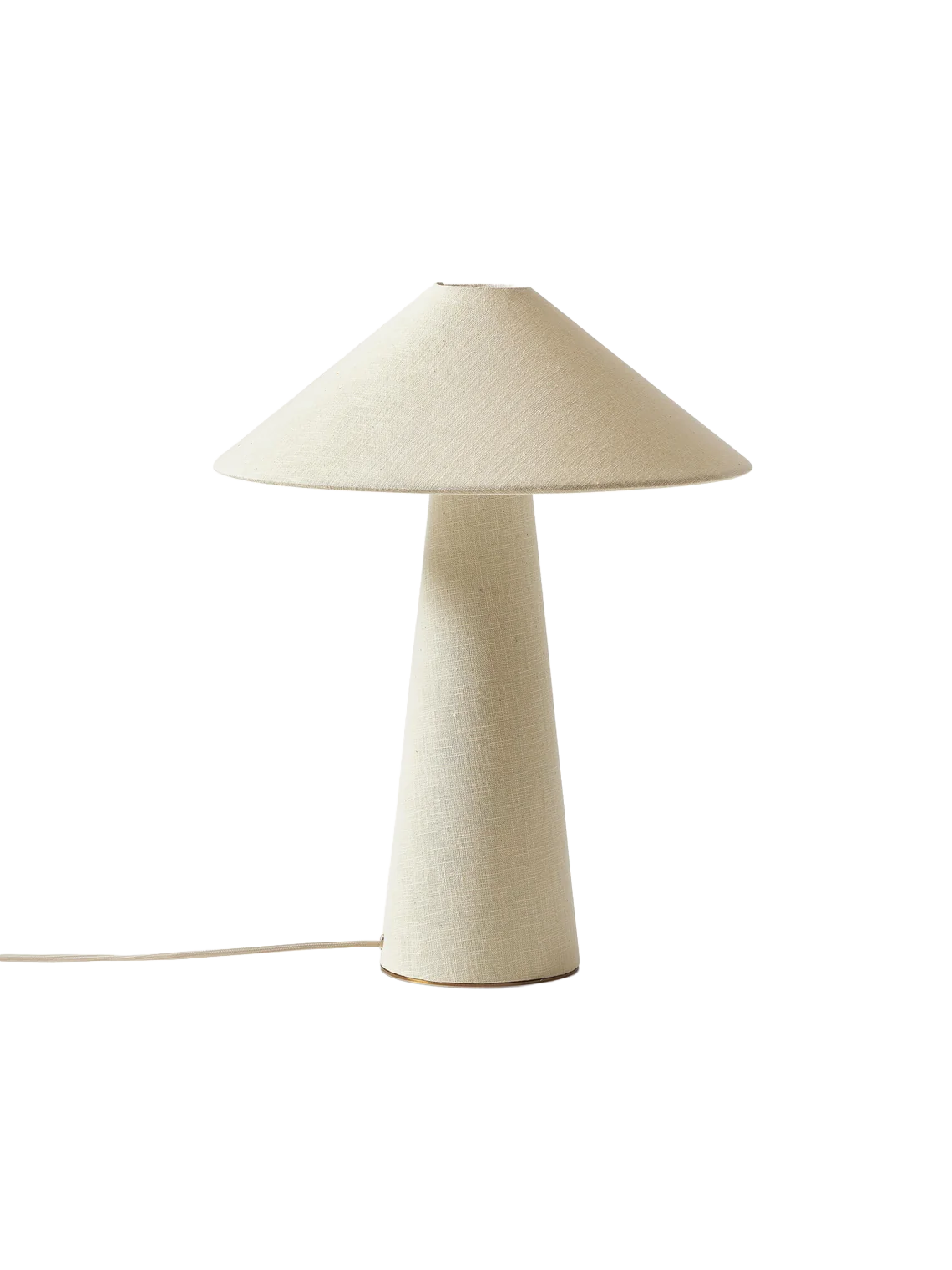
Large Linen Table Lamp Ilena
Westwing Collection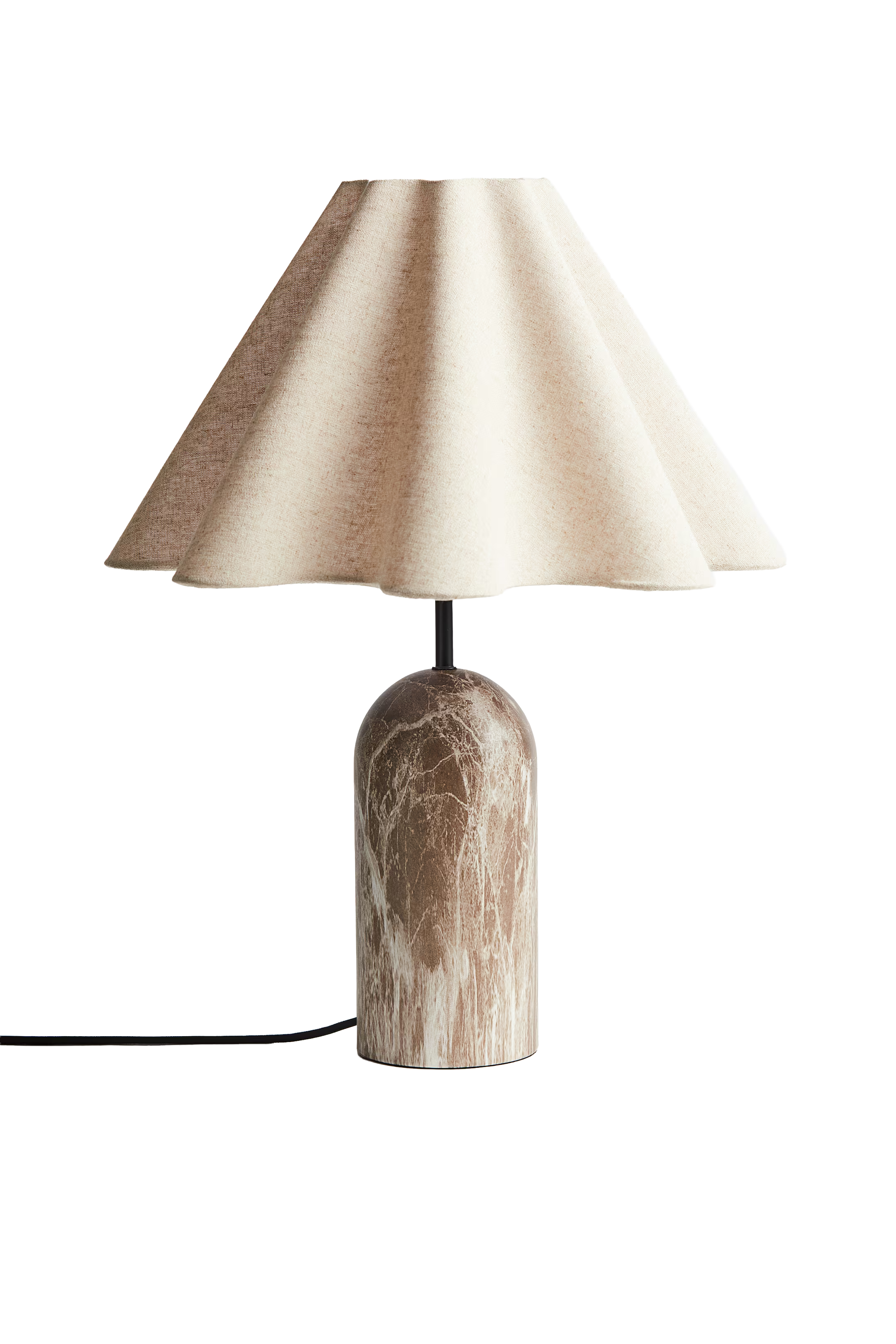
Linen-blend table lamp
H&M HomeLamps at the right height
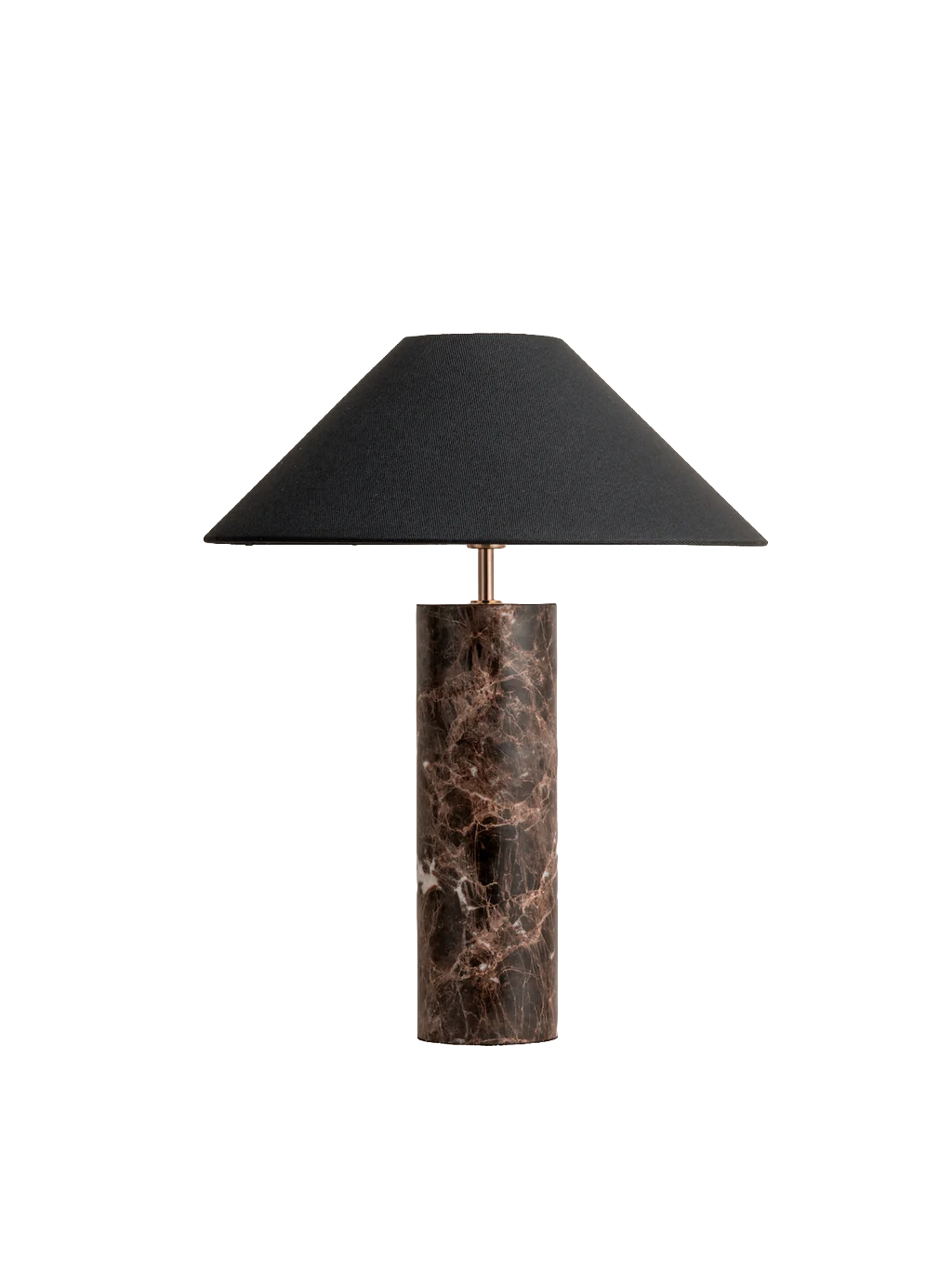
Morola - brown marble cylinder lamp
Lights & Lamps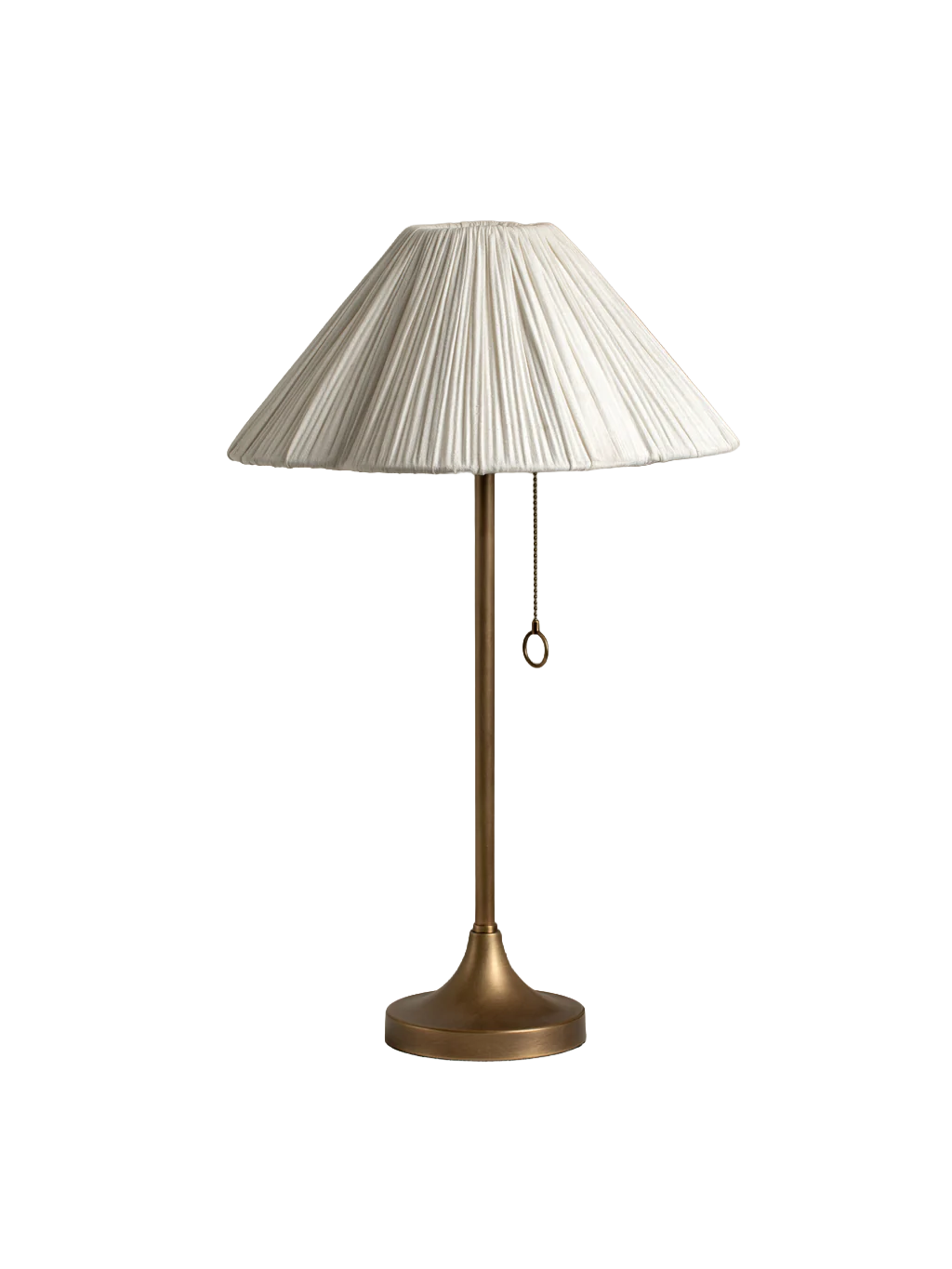
Lindi - aged brass and scalloped linen
Lights & Lamps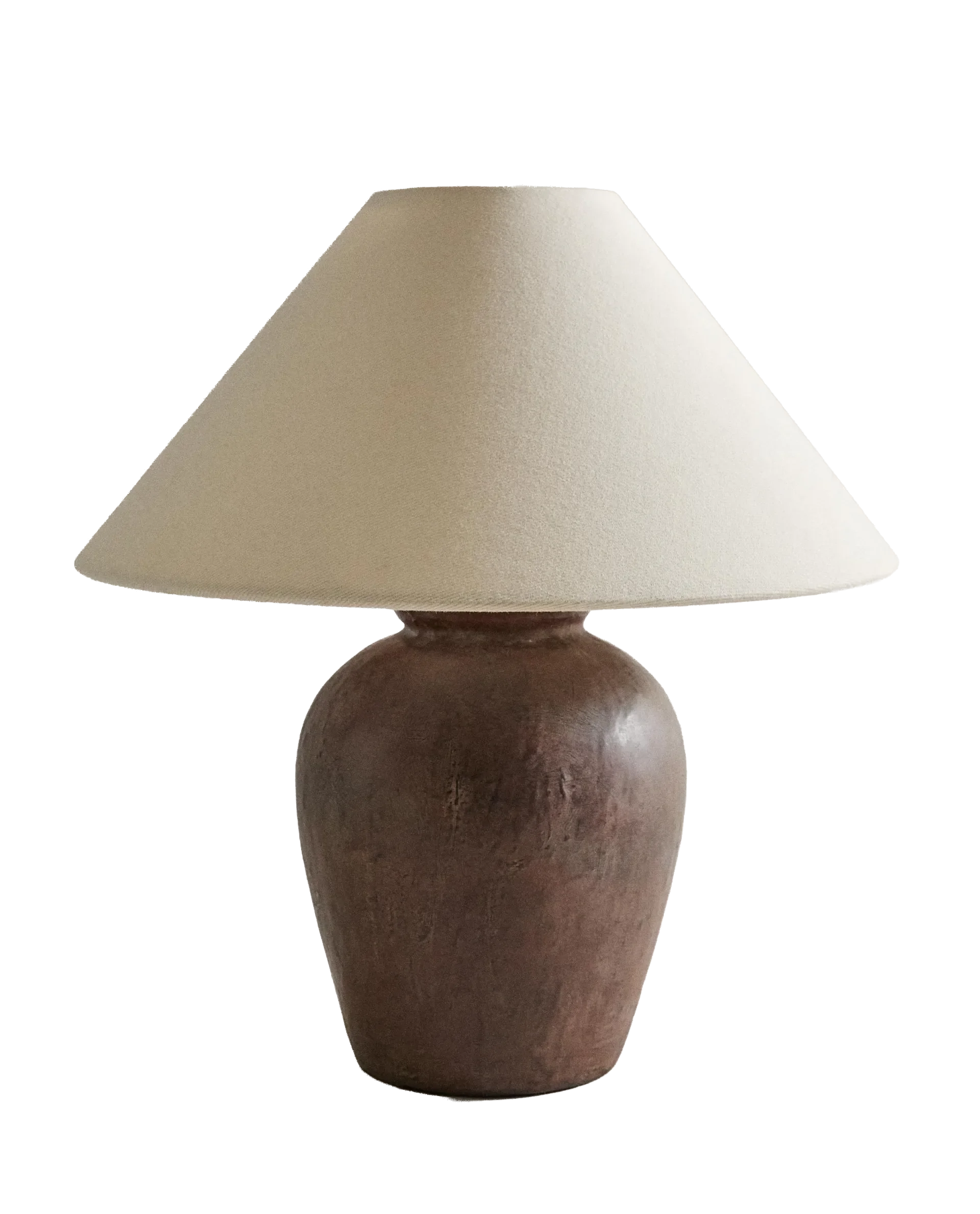
Small lamp with ceramic base
ZARA Home3. Height and light
These two things are almost always connected, and almost always where bedrooms go wrong.
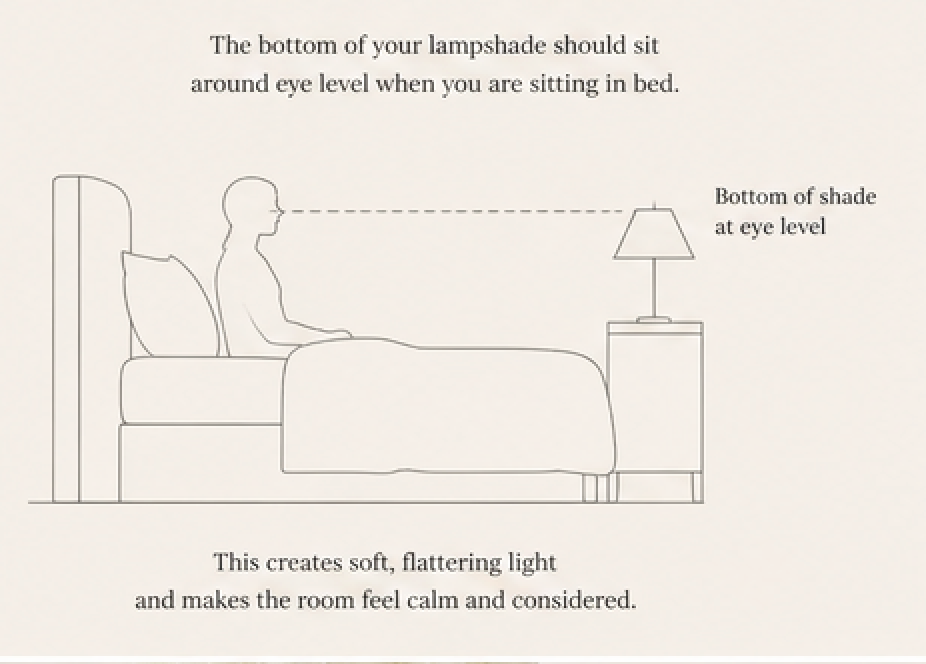
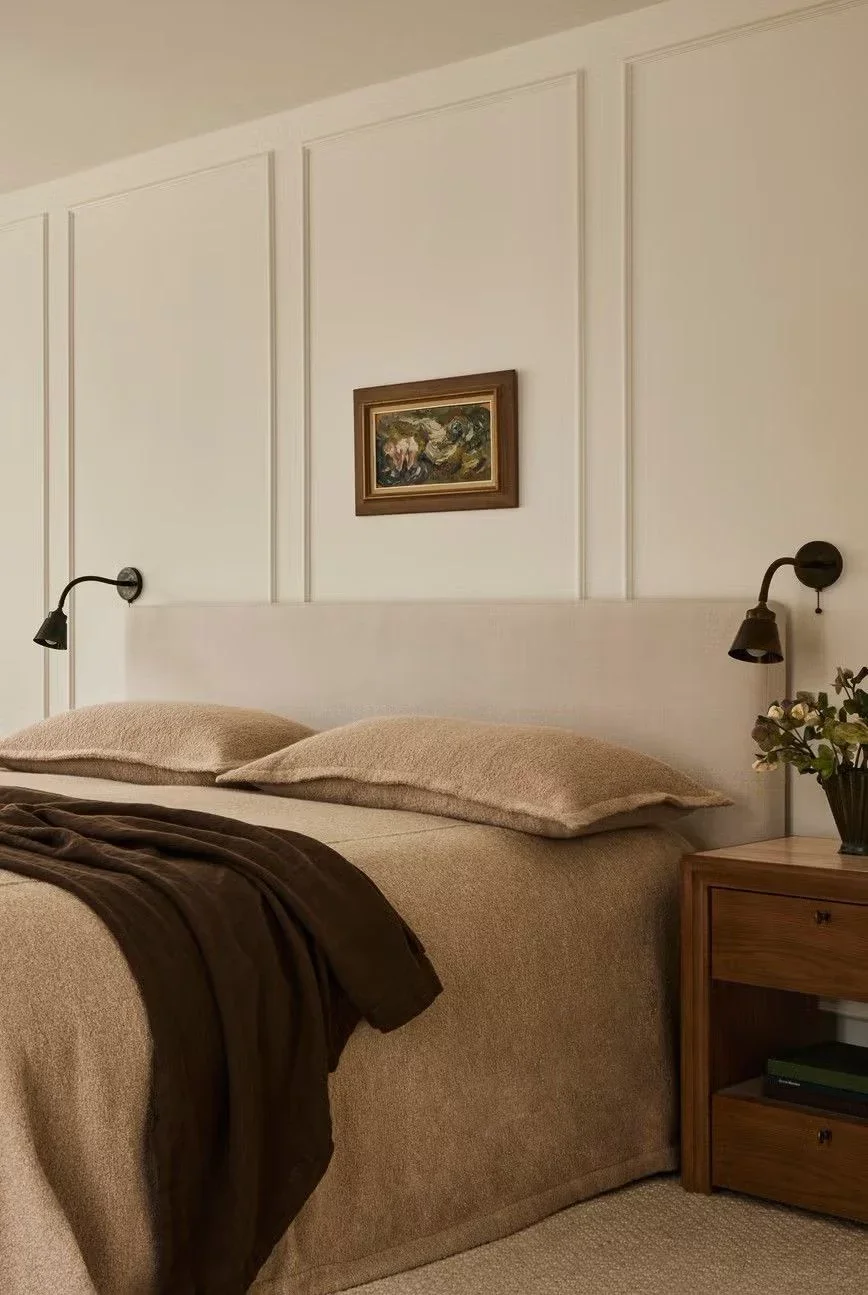
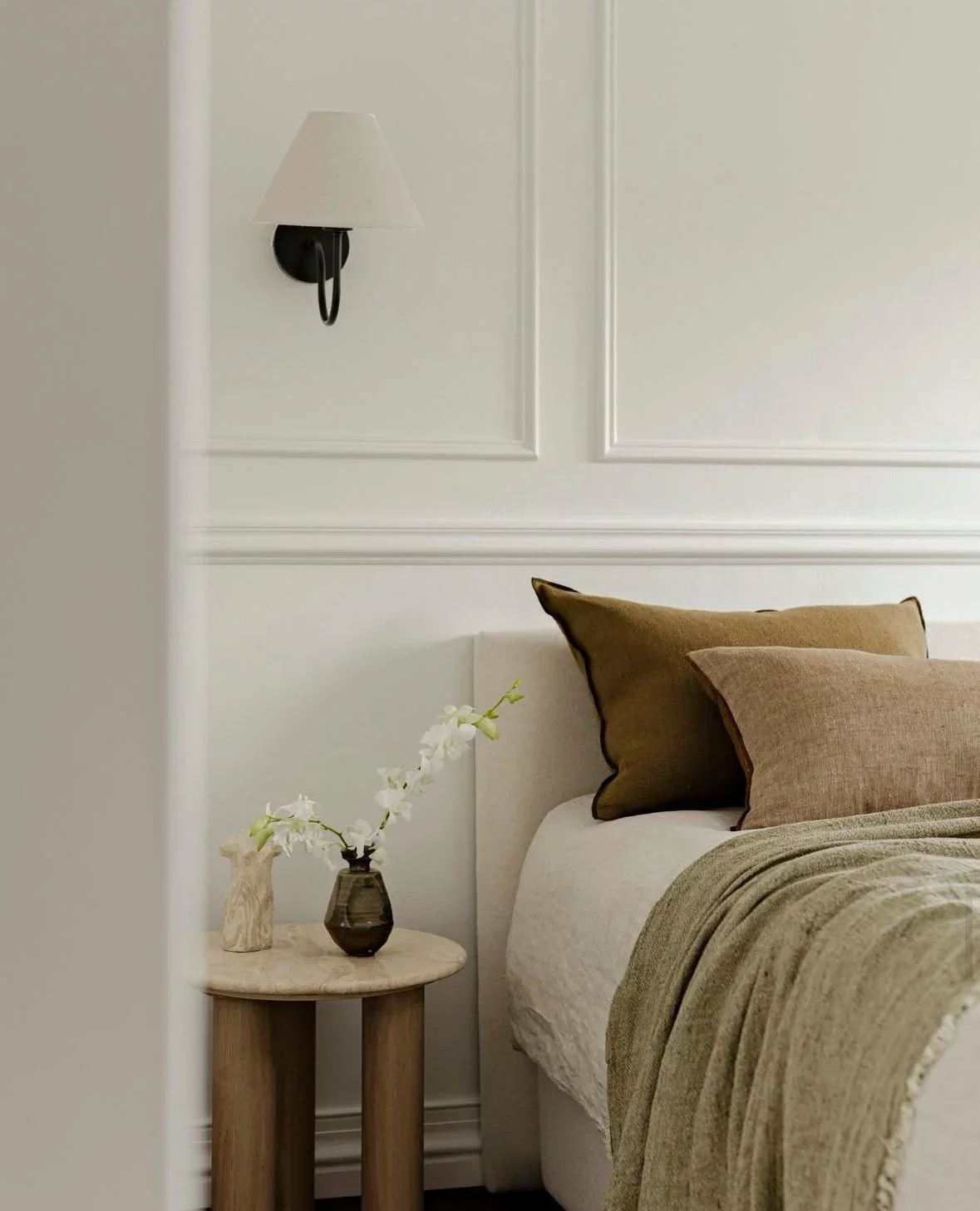
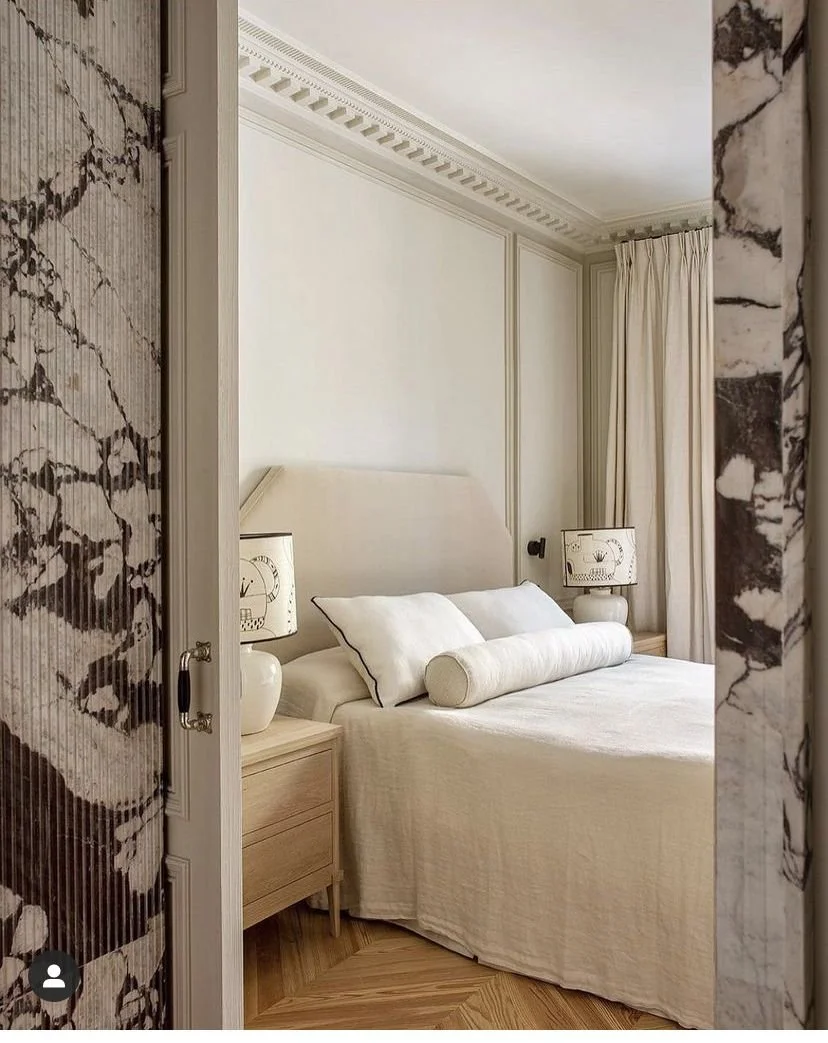
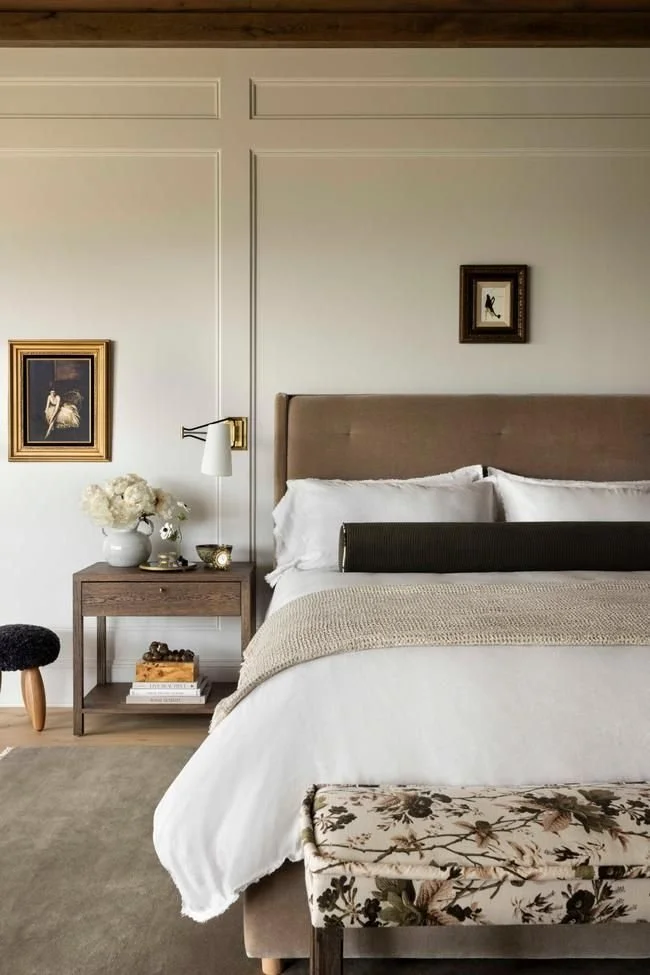
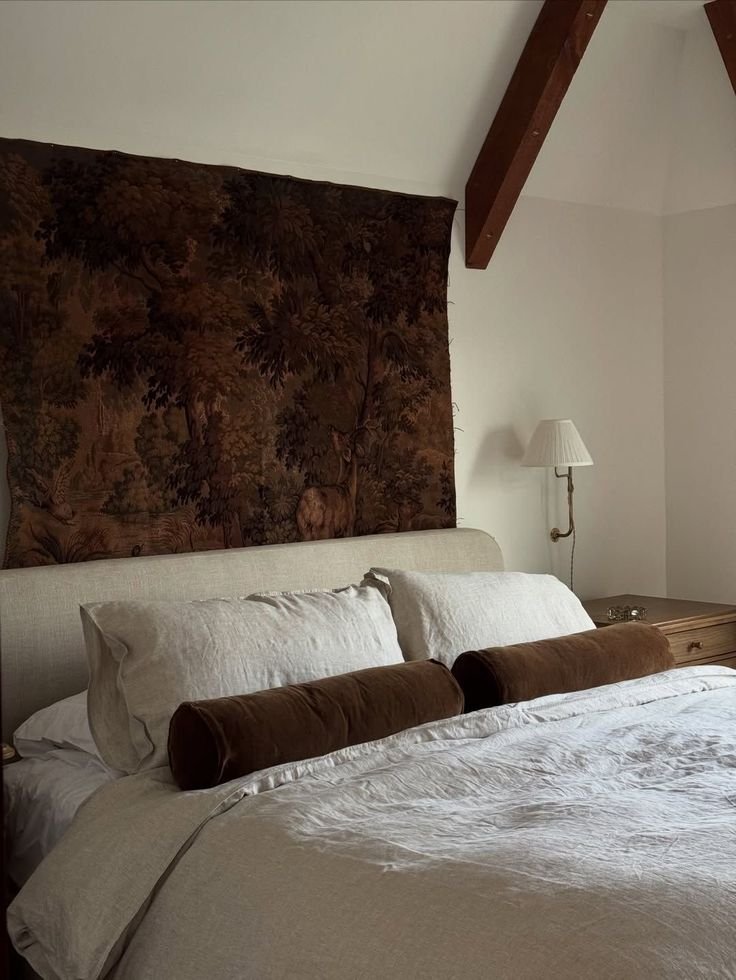
Lamps: Most bedside lamps are too short. The shade ends up below eye level when you're sitting up in bed, which means the light spills downward rather than washing the wall. A taller lamp — or one placed on a stack of books if you're not ready to replace it — changes the quality of light in the room entirely. You want the light source at roughly shoulder height when you're propped up. That's where it becomes flattering and functional at once.
Curtains: If your curtains hang from a rail fitted directly above the window frame, raise the rail. Even ten centimetres makes a room feel taller and the window feel larger. Ideally, the rail sits close to the ceiling line. The curtain then drops the full height of the wall, and the window — even a modest one — reads as generous and deliberate.
These aren't expensive changes. A new curtain rail costs very little. But the effect on a room's proportions is significant.
What size should a bedside lamp be?
As a general rule, your bedside table should be one-third of the width of your mattress and, to fit with this scale, your lamp’s widest point should be one-third of the width of your bedside table. More of a visual thinker? Try this: if you have a large bedroom with a super king bed at its heart, then we’re talking about statement table lamps – perhaps a style with an oversized, detailed base or a big decorative shade. Conversely, if your room is more petite, and space is limited, you’ll be turning your attention to more slender, streamlined lamp bases with a smaller footprint. Alternatively, in a compact room where bedside storage isn’t in play, floor lamps or even – if we’re thinking laterally – wall lights are worth considering.
Now you have a sense of the base size you’re working with, the next step is to find a lamp that’s the right height. What does that mean exactly? Well, you don’t want your reading lamp to be at a height that it glares in your eyes, or casts shadows on your book or e-reader – either of which will make it hard to get lost in your latest page-turner. If your bedside table is the same height as the top of your mattress, ideally your bedside lamp will be the same height again (for a standard bed height, that’s around 60-69cm).
4. The bedside edit
The bedside table is a room within a room. It tells you everything about how someone actually lives — and it's often where the styling falls apart.
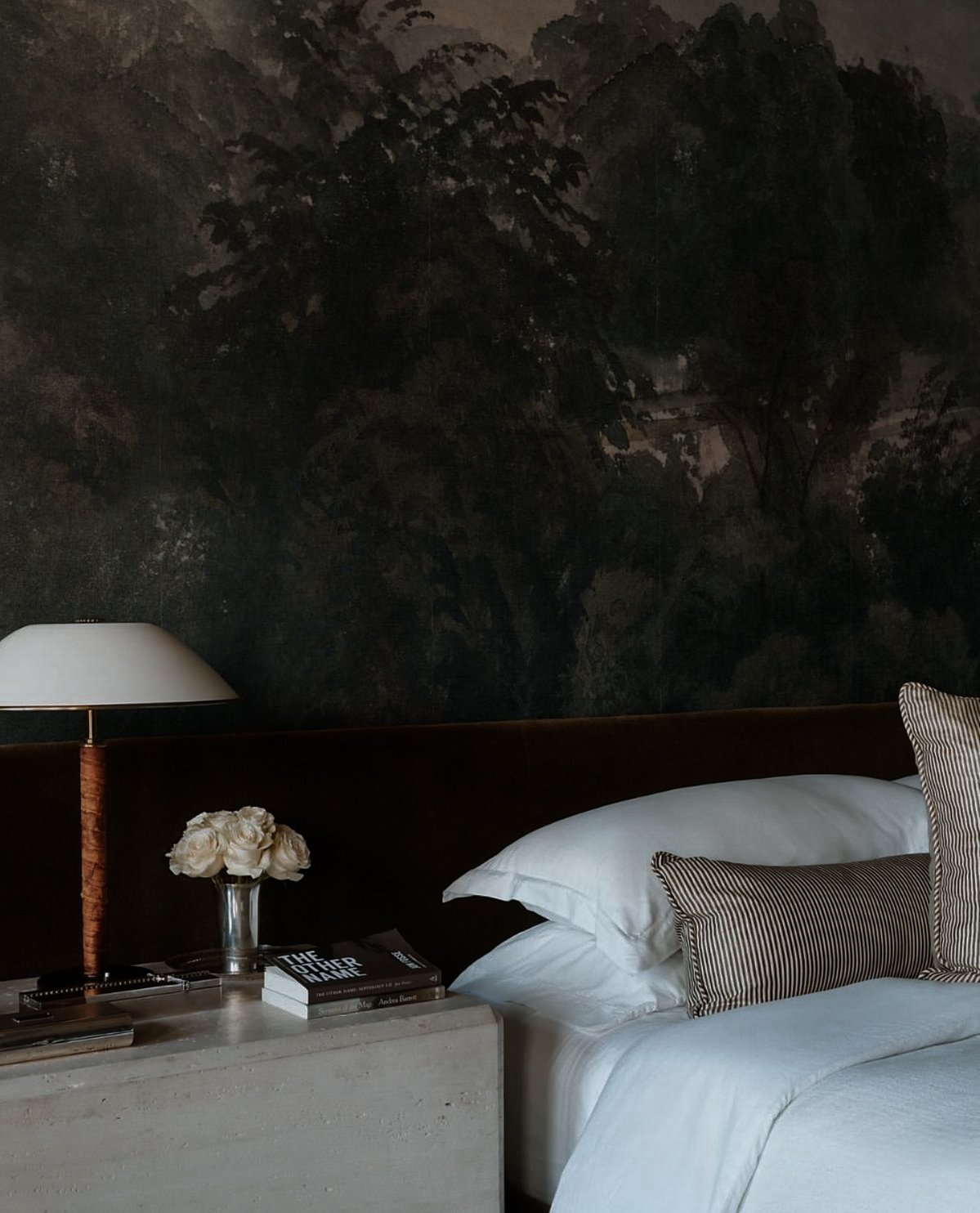
What I'd keep on a bedside table: a lamp (see above), something to read, one small object of meaning or beauty. A stone, a candle, a single sprig of something in a tiny vessel. That's it.
What I'd move: the phone charger (cable management is styling, too — route it down the back of the table), the water bottle with a sports cap, the receipts and lip balms and the book you finished in March. If it doesn't add to the room visually, it lives in the drawer.
The table itself matters too. If it's too low relative to the mattress height, the lamp will sit too low. If it's too shallow, there's no room for a considered arrangement. As a rough guide, the table surface should sit roughly level with the top of the mattress. That's not a strict rule, but it's a proportion worth noting.
What size should a bedside table be?
Height: Prep for your bedside table purchase by measuring the height of your mattress. The bedside table’s height should match it – if you choose a bedside table that's too short or too tall, it will look uneven next to the bed and make grabbing items off of the table more difficult. Since the average mattress is around 64cm, a standard nightstand is around 58cm –71cm. If you have a low mattress or bed frame, then a 58cm small/low style is best for you. Have a taller bed frame or mattress? Choose a tall nightstand that sits at 30" to match the height of your bed.
Width: The width of your bedside table should be based on the surface space you need and your style preferences. Decorating a smaller or minimalistic bedroom? Save room with a narrow table with width under 54cm. If you plan on placing personal items or decor on the bedside table, then a standard (54cm – 74cm) or a wide width (over 74cm) is best for you. A narrow table that's sleek and minimal is great for a modern or glam space, while a standard or wider bedside table matches a cosier traditional or rustic aesthetic.
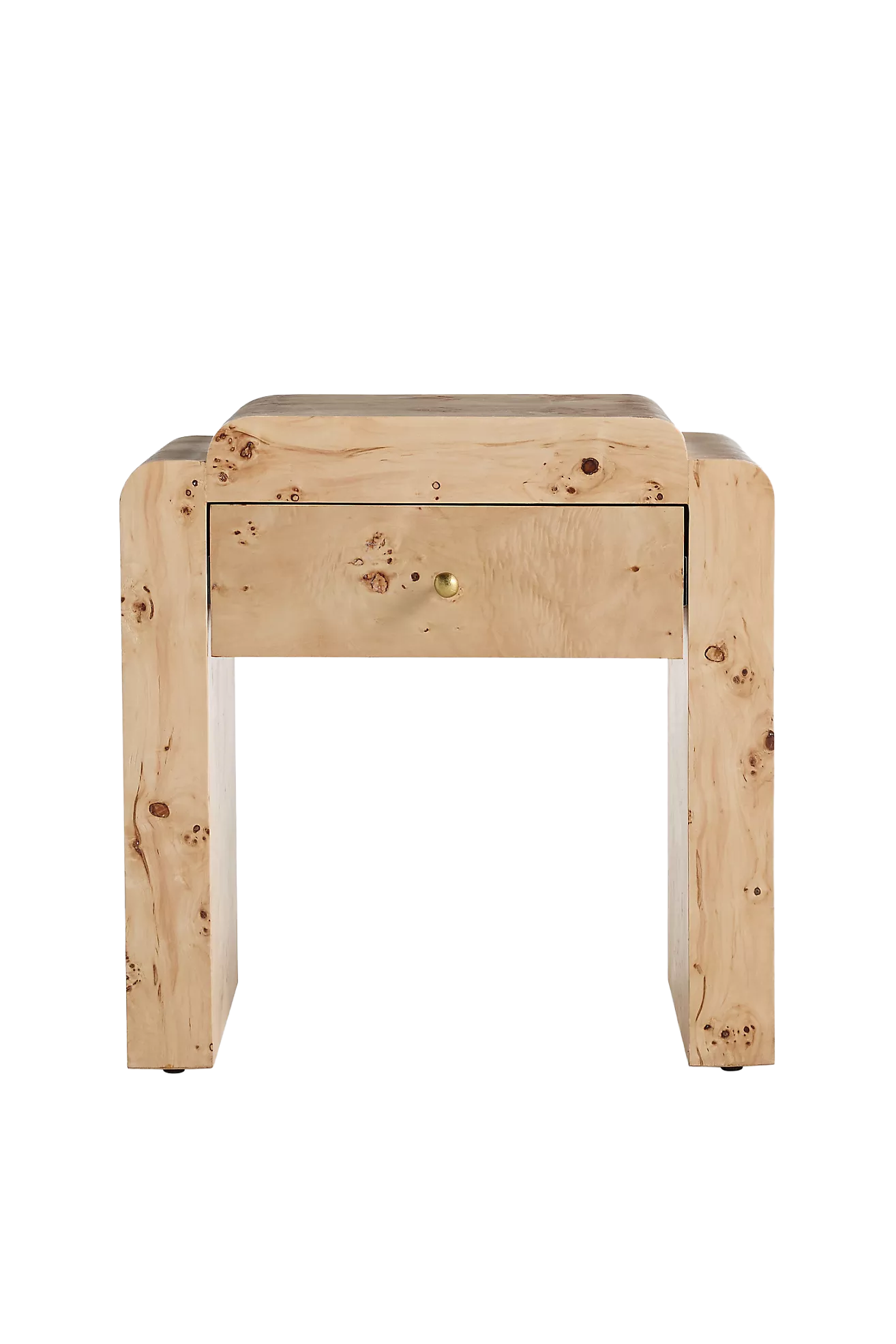
Shura Burl Nightstand
Anthropologie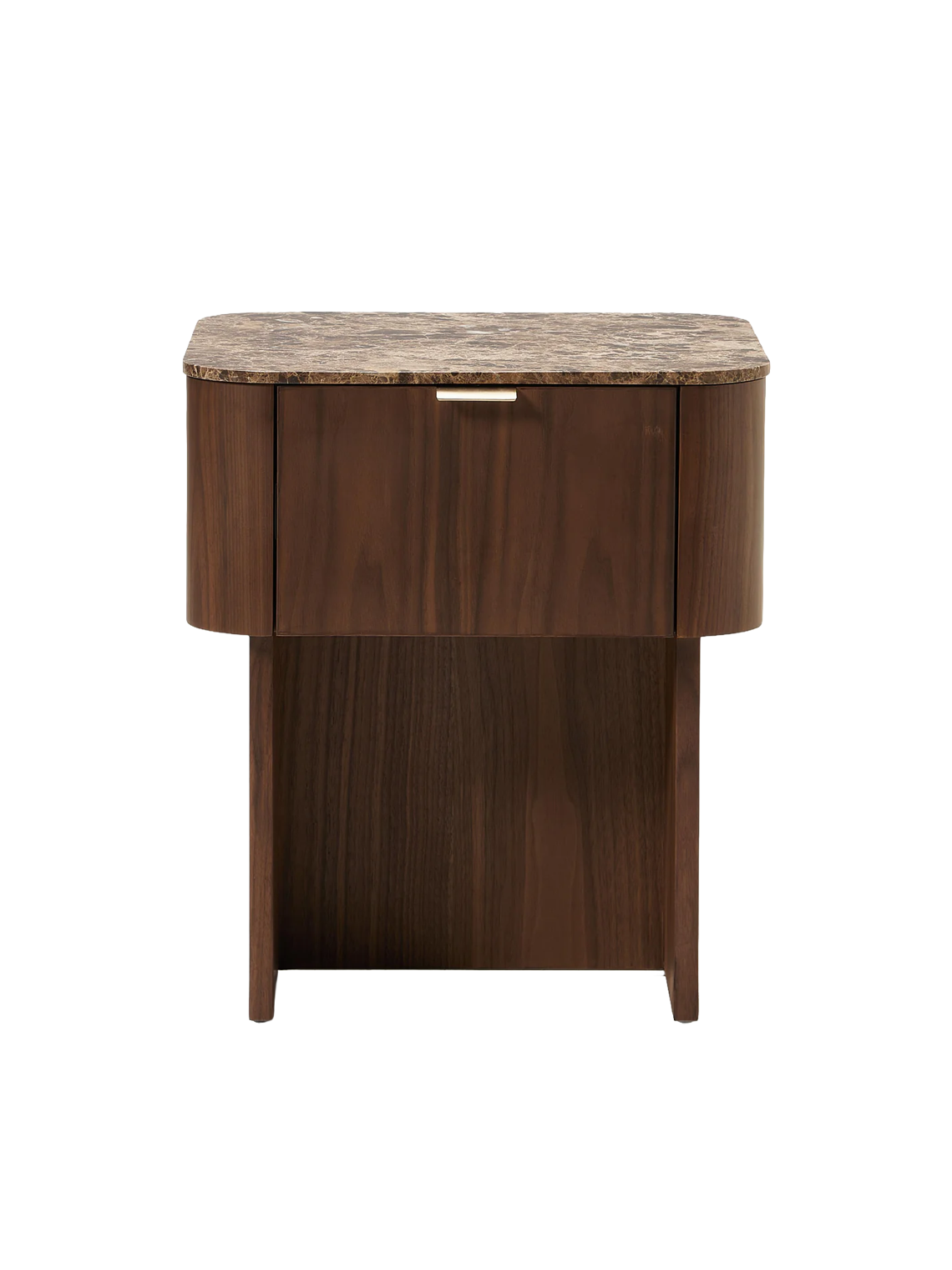
Bedside Table Zumi with Marble Top
WestwingThe right kind of bedside table
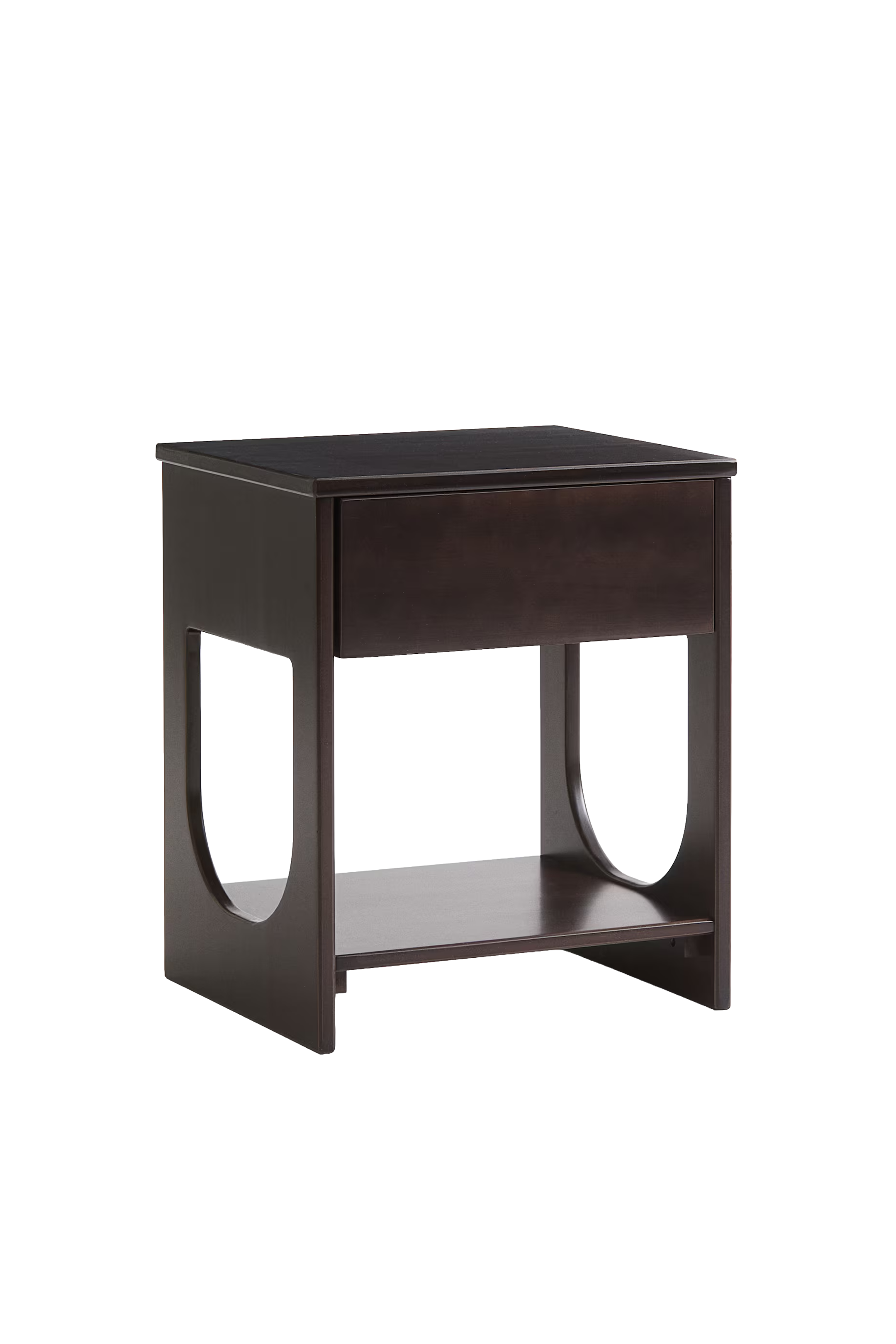
Pinewood bedside table
H&M Home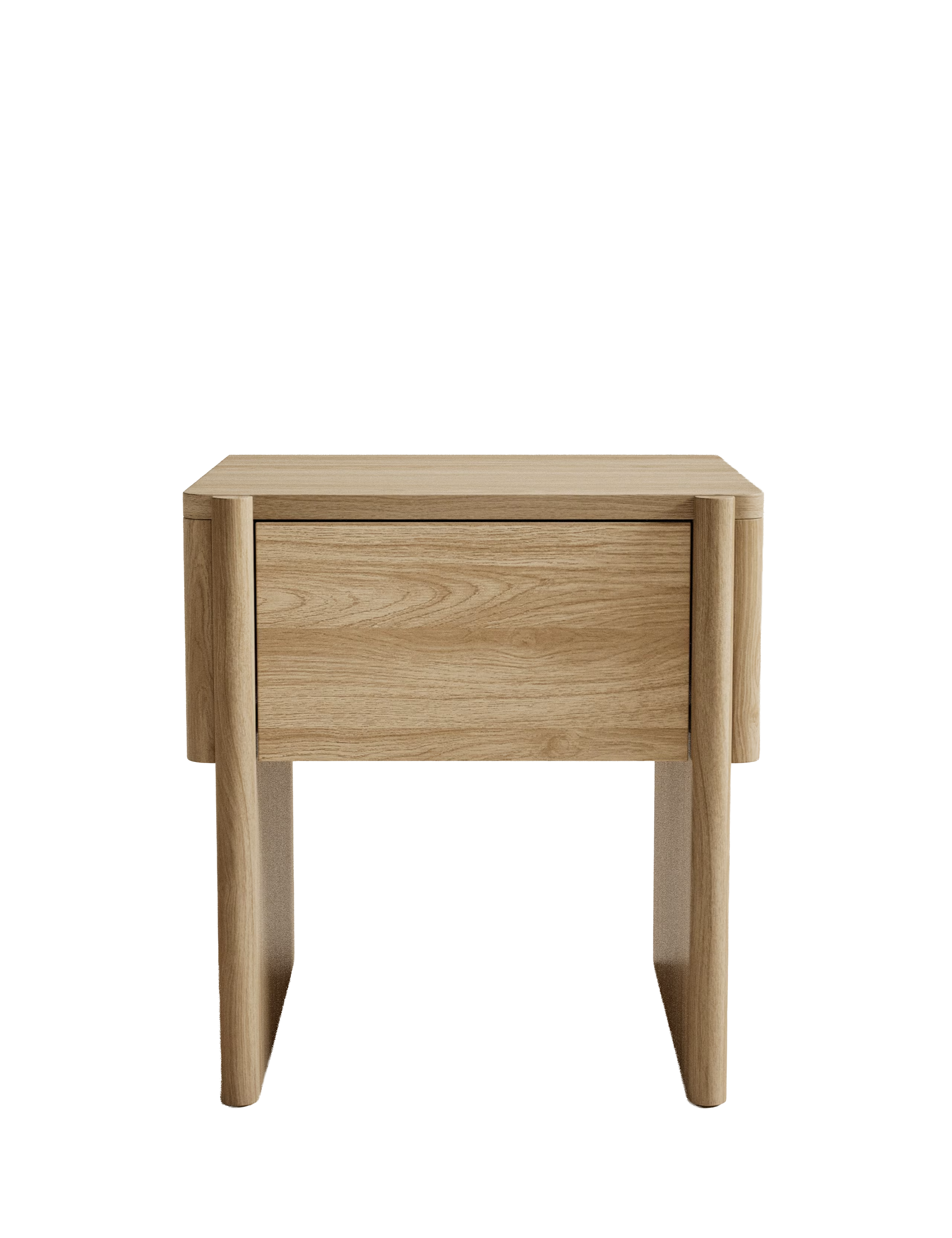
Cove Bedside Table
M&S Home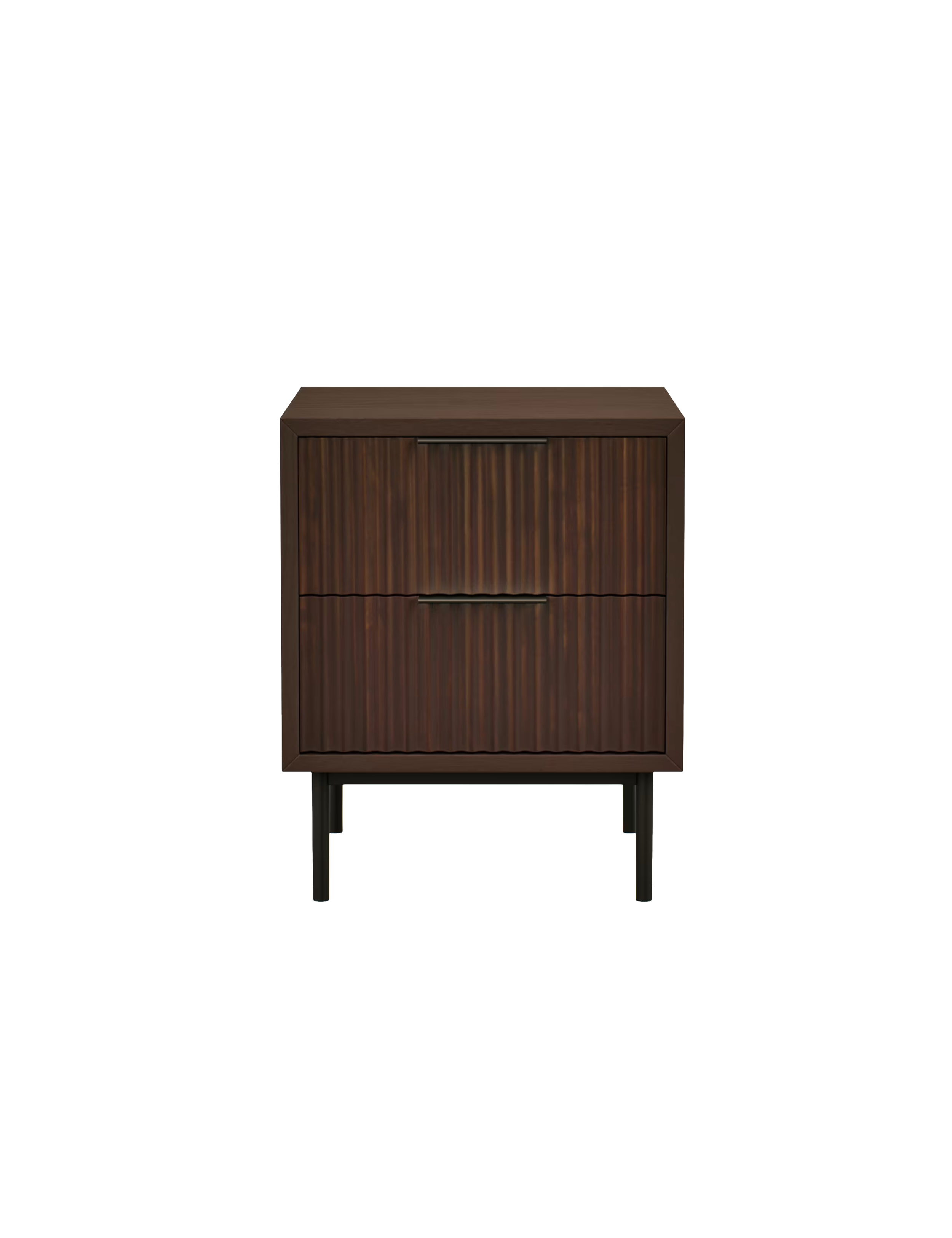
Wharf 2 Drawer Bedside Table
M&S Home5. The floor
People forget the floor. They add things to the walls, rethink the bed, consider the window — and leave the floor exactly as it was.
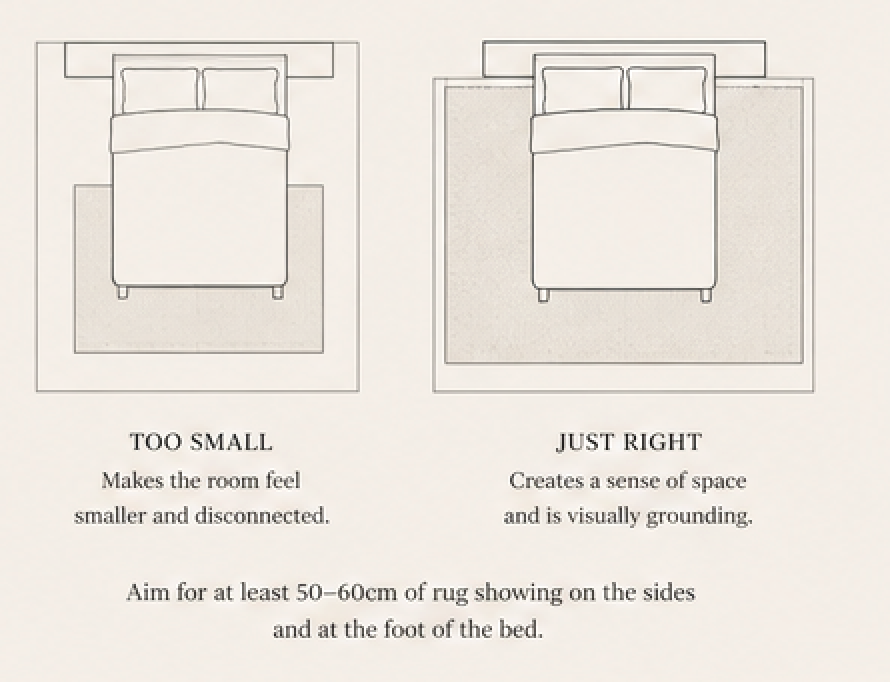
A rug anchors a room. It defines the space the bed inhabits and separates it — visually, spatially — from the rest of the floor. Without a rug, furniture tends to look like it arrived separately and stayed that way. With one, it becomes a composed arrangement.
Size matters enormously here, and the most common mistake is going too small. The rug should extend at least 50–60cm beyond the sides of the bed, so that when you step out in the morning, you land on it. A rug that only peeks out from under the bed frame is doing nothing for the room. If you have a rug that feels too small for the space, try repositioning it so more of it shows at the foot of the bed rather than the sides.
6. Layering texture
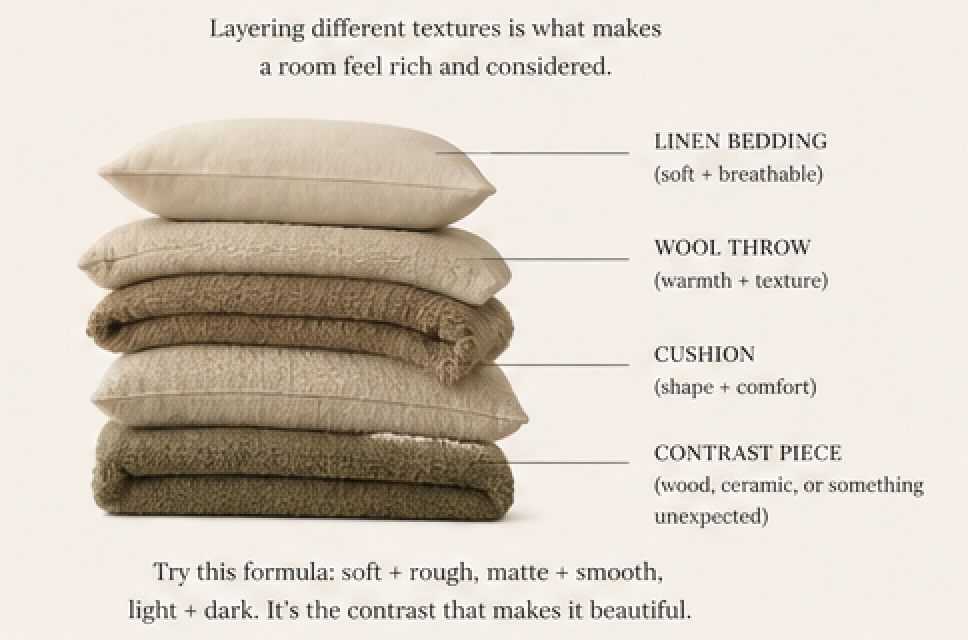
A bedroom that feels rich and considered — the kind that looks like it was designed rather than assembled — almost always has multiple textures working together. Linen against cotton. A matte wall behind a glossy ceramic. A rough-woven throw over smooth bedding.
Texture is what photographs don't fully capture and what you feel immediately when you walk into a room. It's also the easiest thing to add without spending much.
A few principles I return to:
Odd numbers work. Three cushions, not four. Three textures, not two, not five. There's something in the asymmetry that reads as instinctive rather than arranged.
Contrast the surfaces. If the bed is smooth — a crisp cotton duvet, a sleek headboard — add something rough. A linen cushion, a woven throw, a wooden bowl on the bedside. The contrast is what makes each element read.
One thing should surprise you. A room where everything is beige and linen and calm is beautiful, but it needs one note that's unexpected. A deep terracotta cushion. A sculptural lamp base. A piece of art that's bolder than the rest of the room. That's the thing people remember when they leave.